Tractor
A Practical Eye on Tractor: What a Designer Sees Before Stitching
As a designer who has stitched countless embroidery projects, from custom apparel to handmade gifts, I approach every design with the same question: Will this work in real life? When evaluating Tractor, I find myself thinking not just about its visual appeal, but how it would translate into a finished product—whether it's a t-shirt, a patch, or a personalized gift.
The First Impression: A Strong Visual Statement
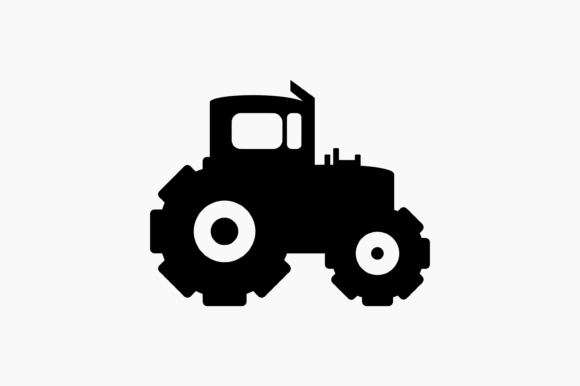
At first glance, Tractor feels like a bold and straightforward design. The tractor is rendered with clean lines and a clear, recognizable shape. It doesn’t overcomplicate itself, which is a relief for someone looking for a design that can be used across multiple products without losing its identity.
The layout is balanced, with the tractor centered and surrounded by minimal negative space. This makes it versatile for use on both small and large surfaces. Its simplicity also suggests it could be adapted for different styles—whether you're going for a vintage look or something more modern.
Real-Life Use Cases: From T-Shirts to Custom Apparel
When considering how Tractor might perform in real-life embroidery situations, I immediately think of custom t-shirts, sweatshirts, and tote bags. The design’s clean lines make it ideal for these applications, where clarity and legibility are key. It would look great on a white t-shirt, but I’d also consider how it might appear on darker fabrics or textured materials.
For example, if I were creating a custom embroidered tote bag for a local boutique, Tractor would be a strong choice. Its simplicity allows it to stand out without overwhelming the viewer. However, I would test it on a scrap fabric first to ensure the stitch density and thread color contrast work well together.
I also think about how it might translate to smaller items like caps or baby clothes. While the tractor is a relatively large design, its proportion makes it adaptable. But I would be cautious about using it on very small hoop sizes or curved surfaces, as those could affect the overall appearance and stitching quality.
Where to Be Careful: Fabric and Design Considerations
Not all embroidery projects are created equal, and some require extra attention to detail. For instance, Tractor may not be the best fit for thin or stretchy fabrics, as these can cause distortion or uneven stitching. Dark fabrics might also reduce the visibility of the design, especially if the thread color isn’t chosen carefully.
Another thing to consider is the design’s complexity. While Tractor is simple, it still includes details like the wheels and the front panel. These elements need to be clearly defined in the embroidery file. If the stitch density is too low, the design may look flat or incomplete. Conversely, if it’s too dense, it could cause issues with the machine or the fabric.
Also, the design’s corners and edges should be inspected closely. If they’re too sharp or too rounded, they might not translate well onto certain products. For example, a patch or an apron might benefit from slightly softened edges, while a pillow cover or tea towel could handle sharper lines.
Design Impact: Visual Appeal and Product Value
Visual appeal is everything when it comes to selling handmade products. Tractor offers a good balance between simplicity and character, making it a strong candidate for both personal and commercial use. It has the potential to become a recognizable brand element, especially if used consistently across a range of products.
From a customer perspective, the design should feel trustworthy and professional. A well-executed embroidery project can significantly enhance the perceived value of a handmade item. If Tractor is clear, consistent, and well-stitched, it can help elevate the quality of the final product and build customer trust.
Practical Designer Notes: Tips for Success
Before using Tractor in a real project, there are a few things to keep in mind:
- Test on scrap fabric: Always check how the design looks on a piece of fabric before committing to a larger project.
- Check thread color contrast: Ensure the design stands out against the background fabric, especially on dark or textured surfaces.
- Review stitch density: Confirm that the file has appropriate stitch density for the intended application.
- Confirm hoop size: Make sure the design fits within the hoop size you plan to use.
- Inspect small details: Look for any potential issues with tiny lettering, decorative accents, or dense stitch areas.
- Test in black and white: This helps identify any issues with contrast or clarity.
- Use proper stabilizer: Especially important for delicate or stretchy fabrics.
- Consider licensing: If you plan to sell finished products, confirm whether the design is licensed for commercial use.
Conclusion: A Versatile Choice for Real Projects
Overall, Tractor is a solid choice for designers and crafters looking for a versatile, high-quality embroidery design. Its clean lines and recognizable theme make it suitable for a wide range of products, from custom apparel to personalized gifts. With the right preparation and attention to detail, it can become a valuable asset in your creative toolkit.