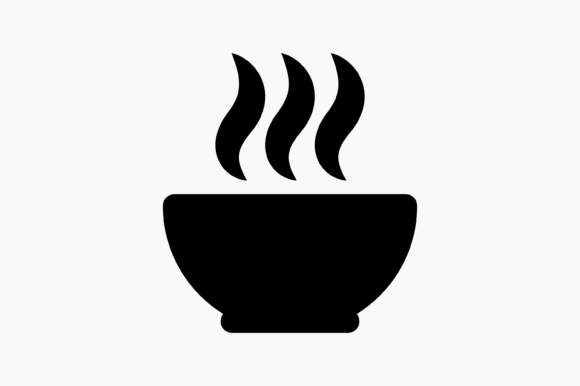
Soup Bowl
First Impressions: A Warm and Inviting Design
The Soup Bowl design immediately strikes a balance between simplicity and charm. Its clean lines and soft, rounded edges evoke the comforting image of a hand-thrown ceramic bowl, making it feel both familiar and approachable. The layout is well-organized, with a subtle focus on the bowl’s shape and the gentle curves that define its form. It doesn’t overwhelm the eye, which is a big plus for embroidery projects where clarity and readability are key.
The visual personality of Soup Bowl leans toward a homey, rustic aesthetic. It feels like something you'd find in a kitchen or on a vintage table, which makes it a natural fit for personalized gifts and handmade products. This warmth adds to its appeal, especially for those looking to create items that resonate emotionally with customers.
Real-Life Use Case: Custom Embroidered Tote Bag
Let’s imagine using Soup Bowl on a custom embroidered tote bag. The design would sit nicely on the front, offering enough space to be visible without overwhelming the overall look. It works well with a neutral background, allowing the design to stand out while maintaining a cohesive appearance.
However, there are considerations. The bowl’s curved surface could pose challenges when applied to a flat fabric like canvas. Testing on scrap fabric first is essential to ensure the design holds up and looks as intended. Also, the stitch density might need adjustment depending on the hoop size used, especially if the design is scaled down for smaller hoops.
Performance in Real Embroidery Situations
Soup Bowl performs admirably in most embroidery scenarios, but it's not without its nuances. For custom apparel, such as t-shirts or sweatshirts, it adds a touch of whimsy that can elevate a simple piece into something memorable. On a baby item, like a onesie or bib, the design brings a sense of care and attention to detail, which is perfect for gift-giving.
When it comes to embroidered patches or applique designs, Soup Bowl holds up well. Its clean lines make it ideal for use on caps, hats, or even aprons, where clarity is crucial. However, the design may require careful handling on textured fabrics or stretchy materials, as these can affect how the stitches lie and appear.
For holiday embroidery or personalized gifts, the design’s warm and inviting nature makes it a strong contender. It fits seamlessly into seasonal themes, especially around winter or cozy living room decor. But it's worth noting that the design may not translate well to dark-colored fabrics unless the thread colors are carefully chosen to ensure visibility.
Design Considerations for Specific Projects
There are certain situations where Soup Bowl should be used with caution. On small hoop sizes, the design may lose some of its detail, making it less effective. Similarly, on thin or stretchy fabrics, the stitching might not hold as neatly, leading to potential puckering or distortion.
Products that require frequent washing, like tea towels or kitchen linens, also demand extra attention. While Soup Bowl is visually appealing, the repeated exposure to water and detergents can cause fading or wear over time. Using a proper stabilizer is highly recommended to maintain the integrity of the design during the embroidery process.
Additionally, the design’s detailed corners and decorative accents may not work well on curved surfaces like caps or hats. These areas can sometimes cause stitching issues, especially if the design isn't optimized for such surfaces. Always test the design on a sample before committing to a larger project.
Visual Appeal and Product Value
The visual appeal of Soup Bowl is undeniable. It adds character to any project without being too busy or distracting. The design’s simplicity allows it to be versatile, fitting into a wide range of styles and applications. This versatility translates into higher product value, as it can be used across multiple platforms and markets.
From a customer perspective, the design fosters trust and professionalism. It shows that the creator has put thought into the final product, which is important for small shop products and Etsy listings. The ability to create high-quality, recognizable items enhances brand consistency and buyer engagement, making it an excellent choice for craft businesses and creative entrepreneurs.
Practical Designer Notes
As an experienced designer, I recommend a few practical steps before using Soup Bowl in your projects:
- Test the design on scrap fabric to ensure it looks as expected and stitches cleanly.
- Check thread color contrast against the fabric to ensure visibility and vibrancy.
- Review stitch density to ensure the design remains clear and legible, especially in dense areas.
- Confirm hoop size and machine compatibility before proceeding with the actual embroidery.
- Inspect small details like lettering and decorative elements to ensure they are stitchable and readable.
- Test in black and white mockups to assess how the design will look in different lighting conditions.
- Compare light and dark fabric backgrounds to determine the best color combinations.
- Use proper stabilizer to prevent puckering and ensure smooth stitching.
- Check whether the design works for both personal and commercial projects to avoid licensing issues.
- Confirm licensing terms before selling finished items or digital products.
By following these steps, you can ensure that Soup Bowl becomes a reliable and valuable asset in your design toolkit.