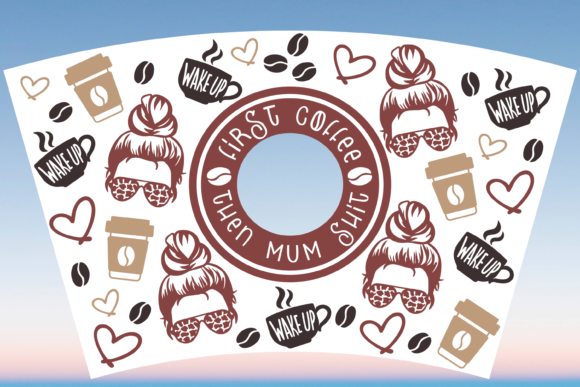
First Coffee then Mum
A Simple, Playful Design with Real-World Potential
As a designer who’s stitched through countless projects—from custom apparel to handmade gifts—I’ve learned that the best embroidery designs are those that feel right in the hand and on the fabric. First Coffee then Mum is one such design. It’s not overly complex, but it carries a quiet charm that makes it versatile for a range of applications.
The First Impression: Warm and Relatable
At first glance, First Coffee then Mum feels like a casual, everyday phrase that many parents will recognize. The layout is clean, with minimal text and a simple visual element that reinforces the message. There’s no overwhelming detail or busy pattern—just a clear, readable phrase that invites connection.
The design leans into a playful tone, which makes it perfect for personalized gifts or small shop merchandise. Whether it’s a baby item, a tote bag, or a patch, First Coffee then Mum has the potential to add a touch of humor and warmth to a project.
Real-Life Scenario: Custom Embroidered Tote Bag
Let’s imagine I’m preparing a custom embroidered tote bag for a client. The design needs to be visible from a distance, yet still retain its charm when up close. First Coffee then Mum fits this scenario well. Its simplicity ensures that it won’t overwhelm the fabric, while the text remains legible even on larger surfaces.
I’d place the design near the top corner of the tote, where it can catch the eye without being too intrusive. A light-colored thread would work best here, as it contrasts nicely with darker fabrics commonly used for tote bags. The design’s minimalism also allows for creative placement, whether it’s centered or subtly offset.
Performance in Real Embroidery Situations
First Coffee then Mum performs reliably in most standard embroidery scenarios. It works well on cotton, linen, and other common fabrics, though I’d recommend testing it on scrap fabric first to ensure stitch clarity and alignment. The design’s simplicity means it doesn’t require high stitch density, which helps prevent issues with dense areas or overlapping stitches.
It’s particularly well-suited for custom apparel, sweatshirt embroidery, and personalized gifts. For example, adding it to a baby onesie or a holiday gift could bring a lighthearted touch to the product. However, I’d approach using it on dark fabric or textured fabrics with caution. A light thread color may not stand out enough, and the fabric’s texture could affect how the design looks after stitching.
Design Notes for Practical Use
Before using First Coffee then Mum in a real project, there are a few practical considerations to keep in mind:
- Test on scrap fabric: Always test the design on a piece of fabric similar to what you’ll be using for the final product.
- Check thread color contrast: Ensure the thread color provides good visibility against the background fabric.
- Review stitch density: While the design is simple, pay attention to stitch density to avoid issues with dense areas.
- Confirm hoop size: Make sure your hoop is large enough to accommodate the design without stretching or distorting it.
- Use proper stabilizer: Especially on stretchy or thin fabrics, a quality stabilizer can make a big difference in the final result.
- Test in black and white mockups: This helps identify any potential issues with contrast or layout before committing to a full stitch.
- Compare light and dark backgrounds: Some designs look great on one type of fabric but not the other. Always check both.
- Confirm licensing: If you plan to sell finished items or digital products, make sure you have the proper rights to do so.
Where to Use with Care
While First Coffee then Mum is versatile, there are situations where it might not perform as well:
- Small hoop sizes: The design may not fit well in smaller hoops, especially if it includes detailed corners or lettering.
- Textured fabrics: The design might not show up clearly on fabrics with a rough or uneven surface.
- Thin or stretchy fabric: These can cause the design to distort or lose definition during stitching.
- Curved surfaces: Applying the design to items like caps or hats may require careful placement to maintain clarity.
- Dense stitch areas: Although the design is simple, some parts may require more attention to stitch density.
- Products requiring frequent washing: The design should hold up well over time, but always test on a sample first.
Visual Appeal and Customer Trust
The visual appeal of First Coffee then Mum is understated but effective. It doesn’t demand attention, but it does invite engagement. This makes it ideal for handmade products, personalized gifts, and small shop merchandise.
From a customer perspective, the design feels genuine and relatable. It adds personality to a product without being too flashy or gimmicky. This kind of authenticity builds trust, especially for craft business owners and Etsy sellers looking to connect with their audience.
Conclusion: A Versatile Design for Many Uses
First Coffee then Mum is a design that feels at home in a variety of contexts. Whether you’re creating a custom sweatshirt, a holiday gift, or a boutique product, it offers a balance of simplicity and charm that can elevate your project.
As an embroidery designer, I’d recommend using it for custom apparel, personalized gifts, and small shop products. Just remember to test it thoroughly, consider the fabric type, and ensure you have the proper rights before selling finished items. With the right care and attention, First Coffee then Mum can become a reliable asset in your design toolkit.